

At a glance
- Your returns experience can help – or hurt – your business. By asking targeted questions about clarity, flexibility, cost, environmental impact and carrier performance, you can shape a returns process that builds trust, reduces friction and supports customer loyalty.
- Use your policy and process together to protect margins, prevent avoidable returns and create a customer-first experience that keeps shoppers coming back.
Returns don’t have to be a pain. In fact, by asking yourself a few key questions about your returns experience, small business owners can turn a potential hassle into an opportunity.
Consider these your gut-check. The answers will help you shape a returns experience that works for you, builds trust with shoppers and keeps customers coming back.
A clear returns policy builds trust, improves the customer experience and reduces disputes
We can helpQuestions to ask about your returns policy
Is my returns policy clear and easy for shoppers and customers to understand?
Why it matters: A confusing policy isn’t just frustrating for shoppers and customers – it creates extra work for you! If they can’t easily understand your rules, they might flood you with questions or, worse yet, hesitate to buy.
Reference: Canada Post’s 2023 eShopper Survey conducted by Phase 5 Consulting Group, May 2023.
Your easy first step: Review your current policy. Is it written in plain, jargon-free language? Is it easy to find on your website (e.g., footer, product pages, checkout)?
Your long-term goal: Build trust, get fewer questions and turn more window-shoppers into loyal customers.
Am I building my return policy around preferences that work for my business?
Why it matters: While your returns policy tells customers what to expect, your returns process decides how it happens. Make sure you establish realistic processes that work for you and your team, both logistically and financially.
Your easy first step: Log in to your Canada Post Solutions for Small BusinessTM dashboard and open the Manage Returns section. From there, you can choose how returns are processed in a way that works for your business and your customers. Set up only takes a few minutes.
Your long-term goal: Always be in step with shoppers and customers by re-examining your preferences (and, if needed, adjust your policy) as your business evolves.
Am I offering enough choice and flexibility?
Why it matters: People expect convenience in every aspect of their lives. When it comes to your business, providing options for how and where they can return items can really improve their experience and keep them coming back. A rigid policy can deter sales.
Reference: Canada Post’s 2023 eShopper Survey conducted by Phase 5 Consulting Group, May 2023.
Your easy first step: Consider what return methods you currently offer (e.g., mail, in-store drop-off). Do you provide options for refunds, exchanges or store credit? Look into simple ways to handle returns like pre-paid labels.
Your long-term goal: Create a customer-first experience that encourages repeat purchases and sets you apart.
How can I prevent returns before they happen?
Why it matters: The best return is the one you never get! Preventing returns saves you money, time and reduces the hassle for everyone.
Reference: Canada Post’s Fall Omnibus Report conducted by The Strategic Counsel, November 2022.
Your easy first step: Audit your product pages. Are they detailed, accurate and complete (e.g., high-quality images from multiple angles, specific sizing charts, videos)?
Your long-term goal: Reduce returns by building shopper and customer confidence by setting clear expectations from the start.
Can my return policy actually help my bottom line?
Why it matters: Returns are a cost, but they don’t have to be a pure loss. Smart strategies can help you recover value and even drive future sales.
Reference: Canada Post’s 2023 eShopper Survey conducted by Phase 5 Consulting Group, May 2023.
Your easy first step: Look at your current return costs. Could you share shipping costs with customers? Try options like resell, recycle or donate returned items to get some value back.
Your long-term goal: Improve your finances by cutting return-related losses, getting value back from returned items and turning returns into future sales.
Am I considering the environmental impact of my returns?
Why it matters: While profitability is key, customers are increasingly aware of environmental impact. Demonstrating eco-friendly practices can make your brand look better and attract more environmentally minded shoppers.
Source: Canada Post post-strike recovery insights (Business), 2025
Your easy first step: Look for opportunities to encourage customers to reuse original packaging for returns. Explore options for greener shipping or local donation of returned goods.
Your long-term goal: Align your business with shopper values, boost your brand’s reputation and create a more sustainable future.
Do I have the right carrier to support my returns goals?
Why it matters: Your delivery partner is part of your customer experience. The right carrier can really help with efficiency, cost and customer satisfaction.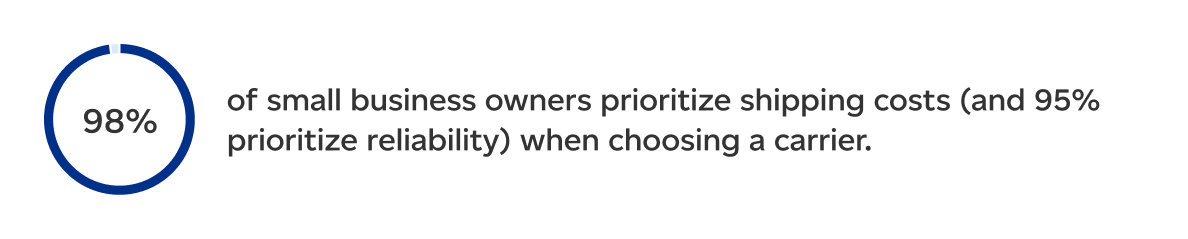
Source: Canada Post post-strike recovery insights (Business), 2025
Your easy first step: Check your current carrier’s performance on key metrics like reliability, reach and customer service. Do they offer simple return tools like prepaid labels, box-free label-free or even label-free returns all from convenient drop-off points?
Your long-term goal: Partner with a carrier that helps your business run smoother and keeps your customers happy.
Turn your returns process into a growth driver
Ask yourself these questions to transform your returns process into a real driver for your business growth. And remember, Canada Post is here to help you every step of the way with reliable, flexible and simple return solutions designed for small businesses like yours.
Key takeaways
- A clear returns policy builds trust and reduces customer questions.
- Flexible options and transparent processes improve satisfaction and repeat sales.
- Better product details reduce avoidable returns.
- Strategic return practices help protect margins and support sustainability goals.
- The right carrier can simplify returns and reduce operational friction.